
Site-Specific Theatre: Dear Jack, Dear Louise at B.B.'s Stage Door Canteen
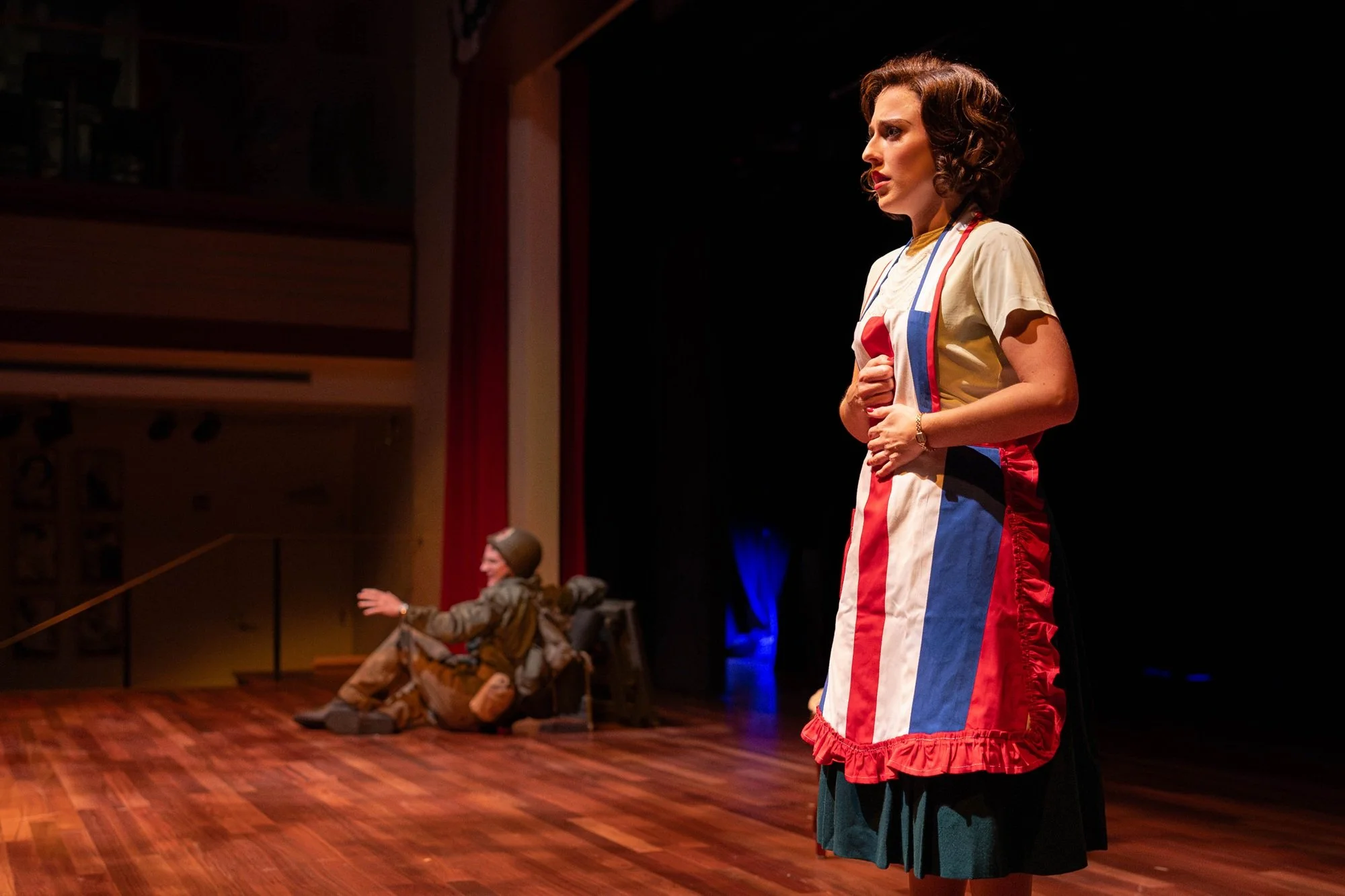
I’ve had very little opportunity to produce my plays as site-specific theatre. This is actually one of the benefits of the single-set comedies that comprise most of my catalogue: they are equally at home in an eighty-seat community theatre as on a Broadway stage.
Lend Me A Tenor is set in a hotel room, but I’m not sure it would gain much by being performed in one.
Then last season director Risa Brainin was preparing to bring her production of Dear Jack, Dear Louise to Gulfshore Playhouse, and she and her assistant director Matt Lytle pitched an idea to me. During WWII, when the play is set, the American Theatre Wing opened the Stage Door Canteen in New York City’s theatre district to provide American servicemen with free food, dancing, and the chance for a few hours of escape.

The Stage Door Canteen makes an appearance in my play, as Louise takes a job there entertaining soldiers while she’s pursuing her Broadway dreams. Matt discovered that the National WWII Museum in New Orleans has a performance space called B.B.’s Stage Door Canteen, modeled on the historical venue. Wouldn’t that be a great place, Matt enthused, for Dear Jack, Dear Louise?
I was so enthralled with the idea, I offered to connect directly with the team at the museum, agreed to travel to New Orleans for creative and press support, and, for the first time in my career, serve as a co-producer of one of my own plays, along with the estimable head of my company, Ashley D. Polasek.
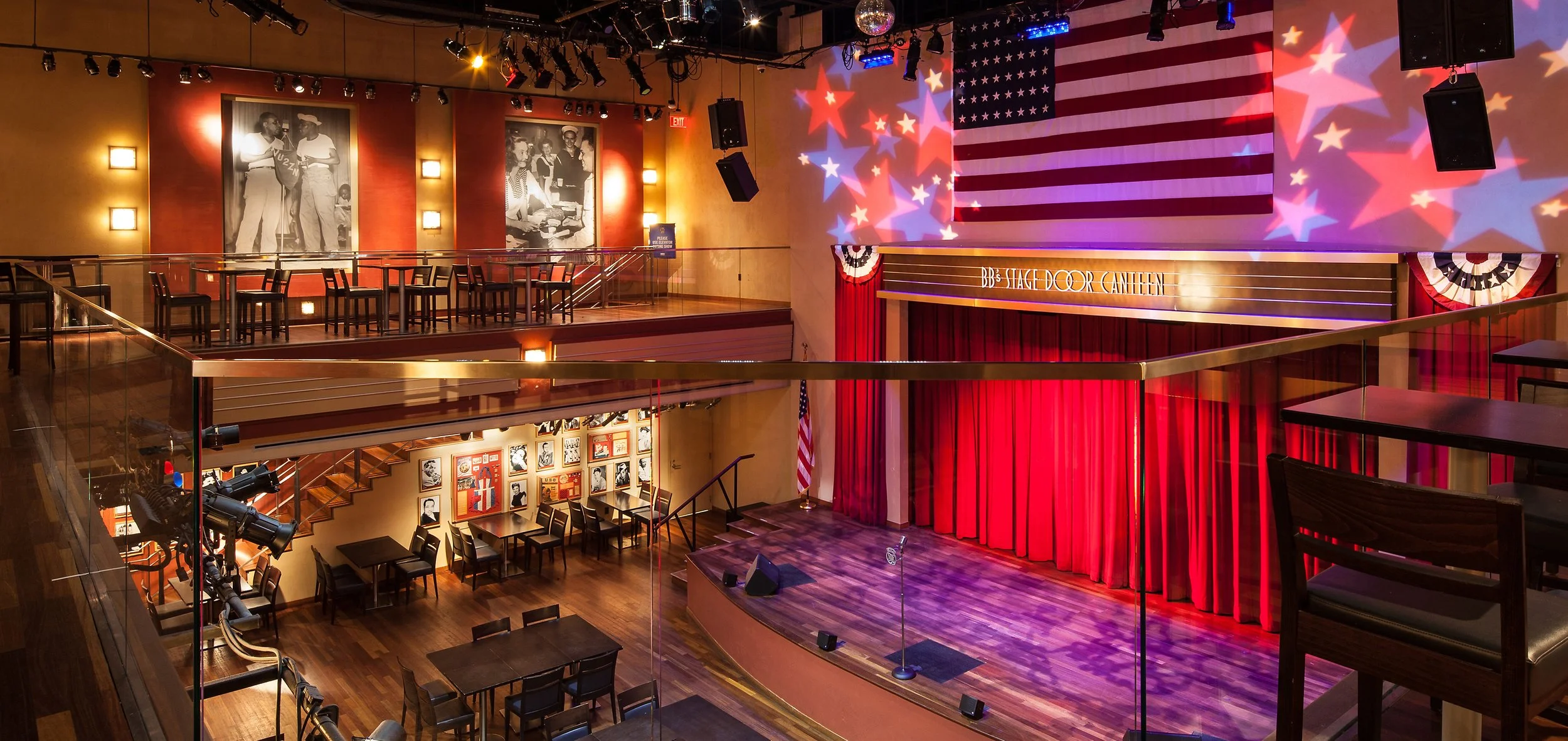
The moment I set foot in the space, I knew it was going to be magical. The walls are covered in headshots of all the celebrities who supported the American war effort. Many of them—Heddy Lamarr, Ginger Rogers, Bob Hope, Cary Grant—are actually named in my play. On opening night, the museum brought in their resident trio of Andrews-Sister-inspired singers, the Victory Belles, to perform a pre-show set. It was perfect.

Just as serendipitously, the museum’s permanent exhibition on mail during the war is just outside the theatre. Dear Jack, Dear Louise is an epistolary play, and much of the story’s emotional tension lives in the practical challenges of building a relationship through letters alone. And across continents and during a war, no less. The audiences who saw this production had the unique chance to learn how the postal system actually operated and how vital mail was to soldiers and those on the home front during WWII. I found the exhibit incredibly moving, and it enhanced even my own joy in the play.
It was truly a remarkable experience watching this deeply personal play about my parents come to life in a setting that they would have both recognized from that period of their lives—a setting that no longer existed by the time I was born.
Beyond the resonance of seeing Dear Jack, Dear Louise in this remarkable performance venue, my time in New Orleans gave me a chance to explore the National WWII Museum from top to bottom. I hardly ventured anywhere else in the city during my visit, which allowed me to take my time in every one of the exhibits—from moving through an artifact-packed timeline of the Western front, to getting up close with the original art of Bill Mauldin, to experiencing an interactive recreation of a submarine sinking. It may be, without exaggeration, the most comprehensive, varied, and enjoyable museum I have ever seen. And I live in Washington D.C. where world-class museums are hardly thin on the ground.
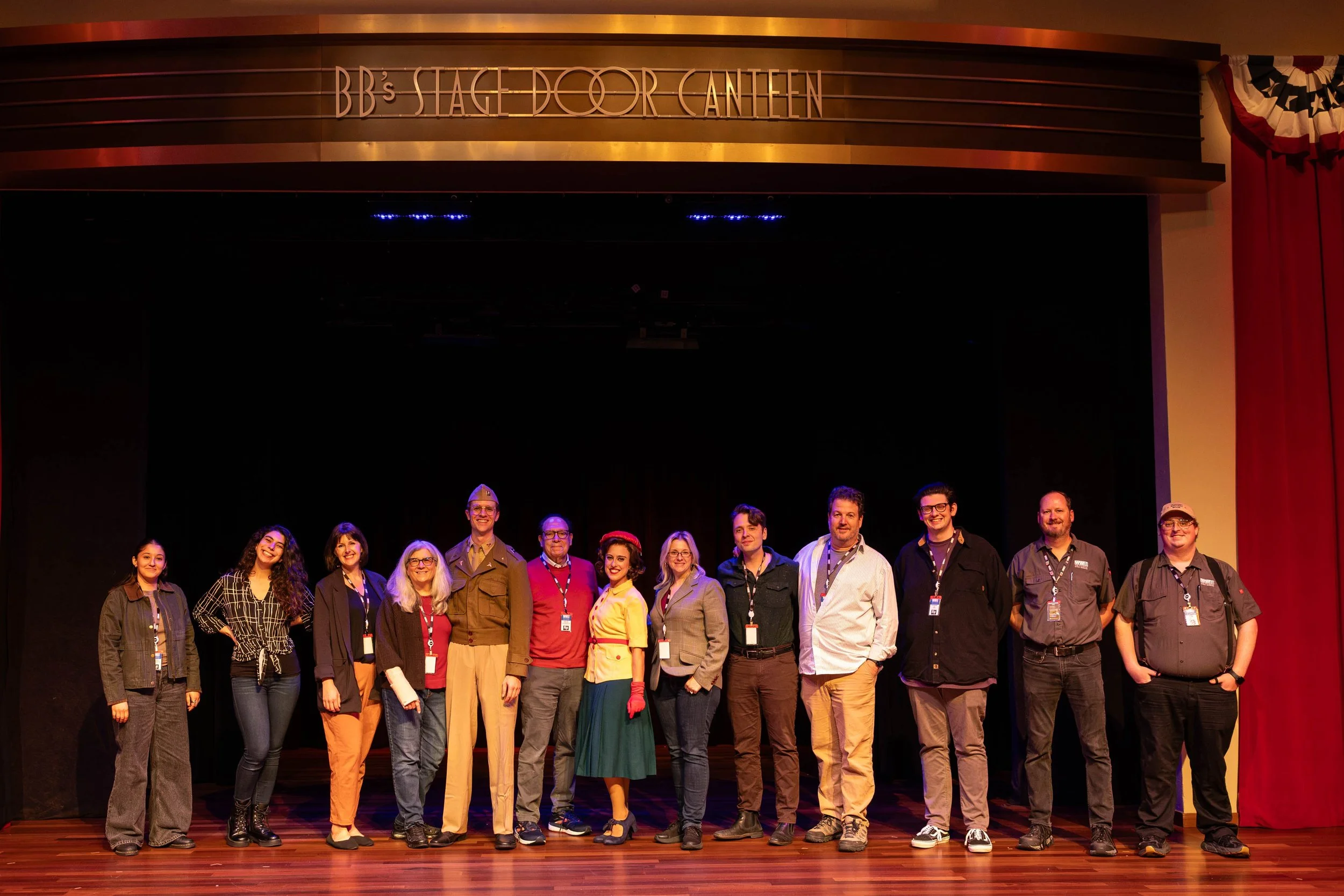
I’m so grateful to Risa and Matt for seeking out the opportunity to bring Dear Jack, Dear Louise to this space and mounting it with such integrity. The entertainment team at the museum, Erica Jensen and Mona Nasrawi, were a dream to work with, and in addition to evangelizing about the museum as a whole, I am already scheming about how to return to B.B.’s Stage Door Canteen.